
What’s the difference between coffee from a manual machine and an automatic one?
In a word: massive. The main difference in taste comes down to how well the drink can reveal the true character of a specific coffee bean.
This brings concentration into play—referred to in baristics as TDS (Total Dissolved Solids). It measures how many coffee compounds actually dissolve into the water.
Manual (portafilter) machines are built to handle fine grinds and high extraction pressures. Because of this, they yield a TDS of around 9–10%, which is standard for a classic espresso.
Automatic machines are designed for low maintenance and longevity. As a result, they don't grind as finely. The resulting TDS is around 4–5%. This concentration is closer to a lungo or Moka pot brew.
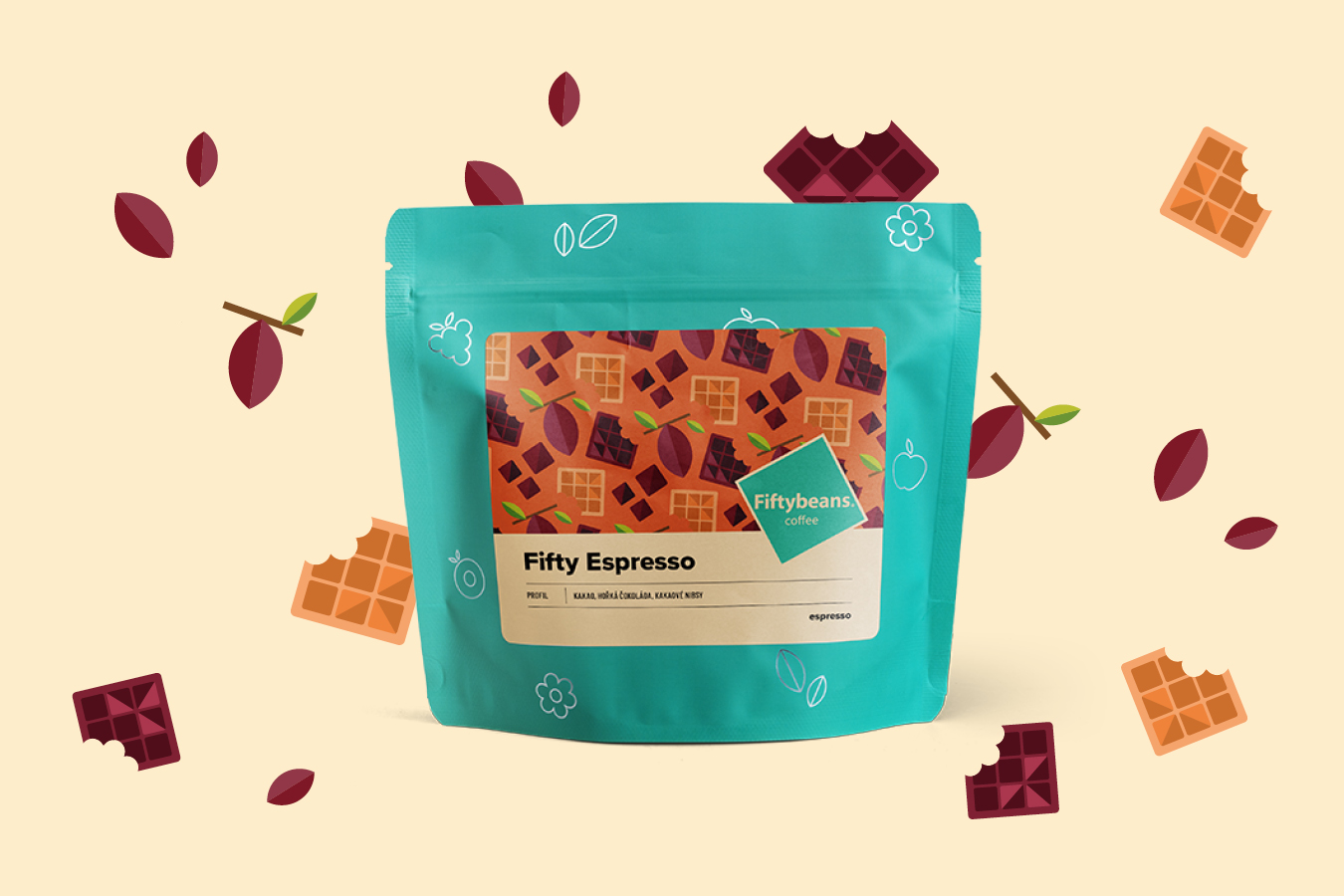 Fiftybeans tip: Our top pick for an everyday home brew.
Who is an automatic machine good for?
There’s no need to write off automatic machines completely. As always, it comes down to taste and personal preference. If you love long drinks (lungos) or milk-based coffees, a lower concentration might not bother you at all. It’s also ideal if you just want to push a button and get a decent cup hassle-free.
However, if you want to unlock the full spectrum of subtle flavor notes in your coffee, we recommend a manual machine.
Of course, a manual espresso machine needs to meet a few baseline requirements: to get a great-tasting cup, you need to maintain a water temperature around 90 °C (194 °F) and a pressure of at least 6 bar.
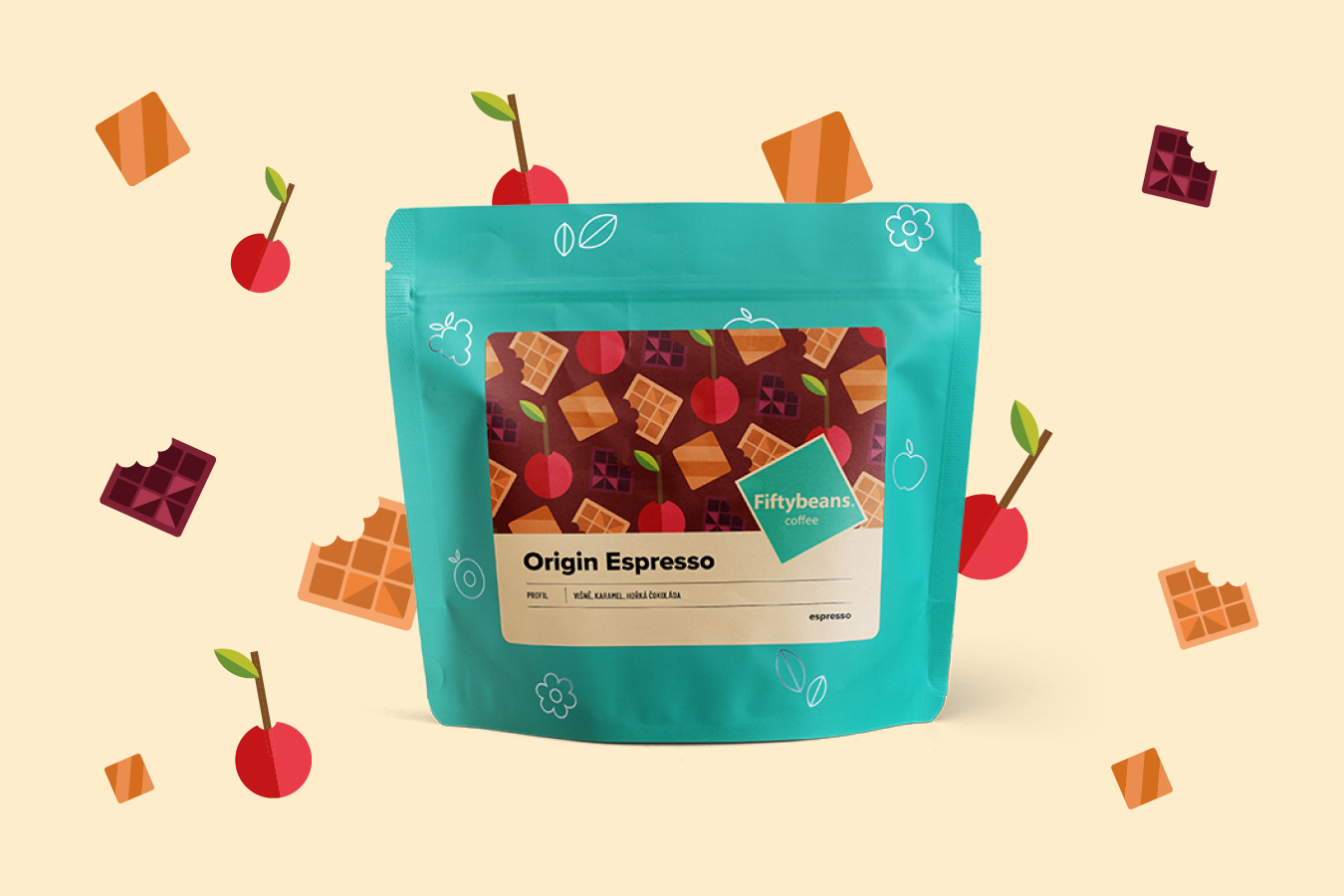 Fiftybeans tip: Our top recommendation for specialty coffee beginners who love a sweet, chocolaty profile.
How does temperature affect coffee flavor?
Water temperature is the engine that drives flavor out of the coffee grounds. A difference of just a single degree Celsius can noticeably change the strength and balance of the extraction.
Yet, there is no one-size-fits-all rule. You’ll often read misconceptions claiming that lower brewing temperatures lead to lower sweetness and higher acidity, while hotter water yields intense sweetness and bitterness.
That’s a huge oversimplification. It assumes that ingredients and parameters are identical everywhere. But everyone uses different beans, different grinders and different water. What works for one coffee won't necessarily work for another.
For instance:
-
Light roasts perform much better at higher temperatures (above 90 °C / 194 °F).
-
Dark roasts, on the other hand, benefit from cooler temperatures around 85 °C (185 °F). With dark beans, you want to slow down extraction to keep the cup from turning overly bitter.
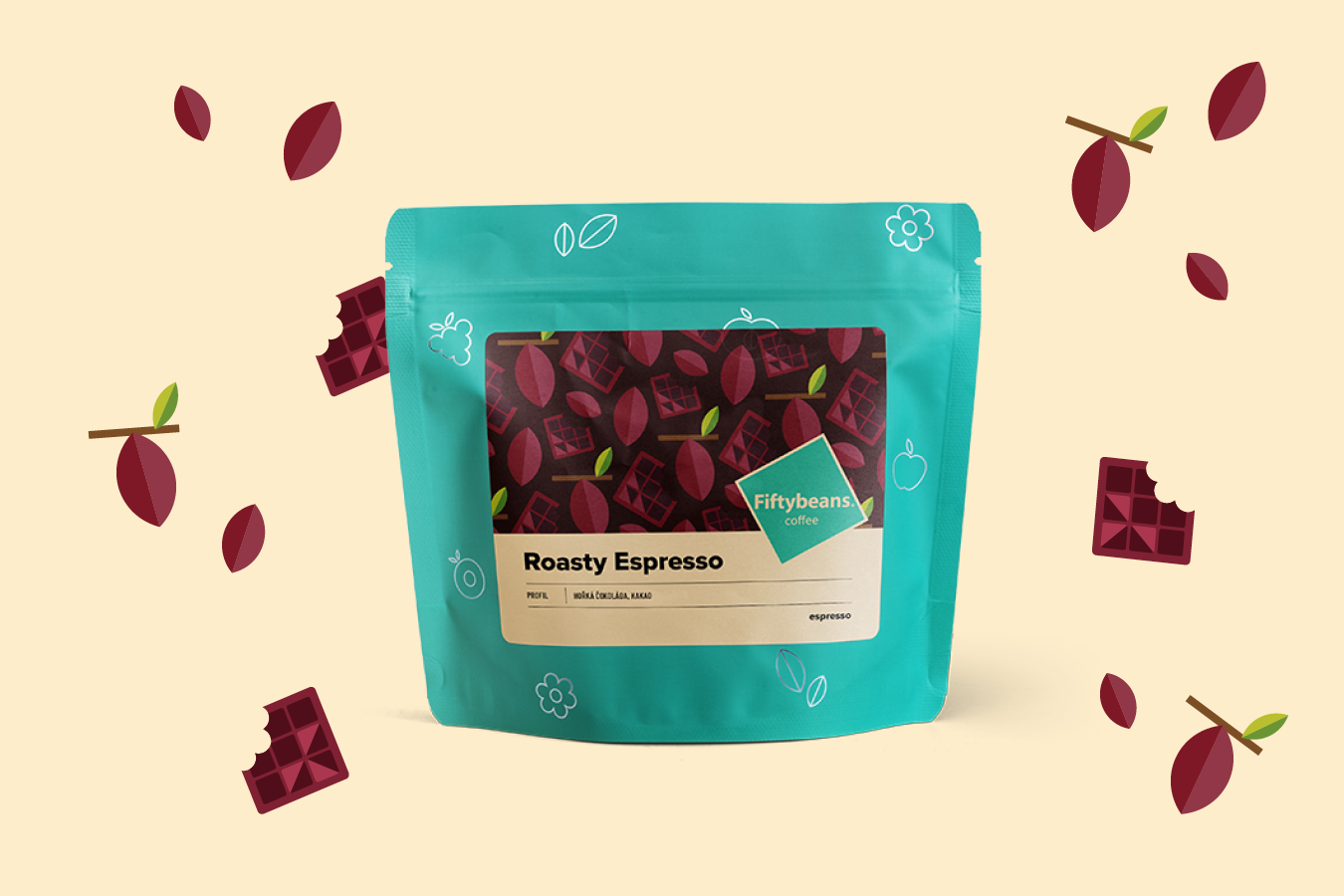 Fiftybeans tip: Our best specialty coffee for those who prefer zero acidity.
(Fun fact: For freshly roasted coffee—which, strictly speaking, you shouldn’t drink right away—pouring it into a cold cup can actually help. The cool walls rapidly break down the crema, giving the drink a more balanced taste.)
If there is one universal rule, it’s thermal stability. The machine's ability to maintain the target temperature throughout the entire extraction. The entire group assembly that contacts the liquid needs to preheat, including the group head. Otherwise, water loses heat on its way to the puck. Even if your boiler holds a solid 93 °C, running through a poorly built machine with a cold group head can drop the brew temperature down to 60 °C and that’s a dealbreaker.
Poor water quality ruins fine beans and expensive machines alike
Water quality is a critical factor you must manage. Poorly mineralized water will ruin a high-end machine and great beans just as quickly.
Take a trip across the Czech Republic, for example, and you’ll find that people in Liberec brew better coffee than those in Mikulov. In southern Moravia, the water is extremely hard and loaded with limestone, which flattens coffee and pulls out harsh bitterness.
A classic example of water influencing flavor is the famous Italian espresso. Ever wonder why everyone praises it, even when it’s roasted practically to charcoal? The secret is that Italians (especially in coastal areas) frequently use desalinated seawater.
During desalination and remineralization, a slightly higher level of sodium remains in the water. Salt reduces bitterness, making the coffee perceive as smoother and better even when the underlying roast isn't.
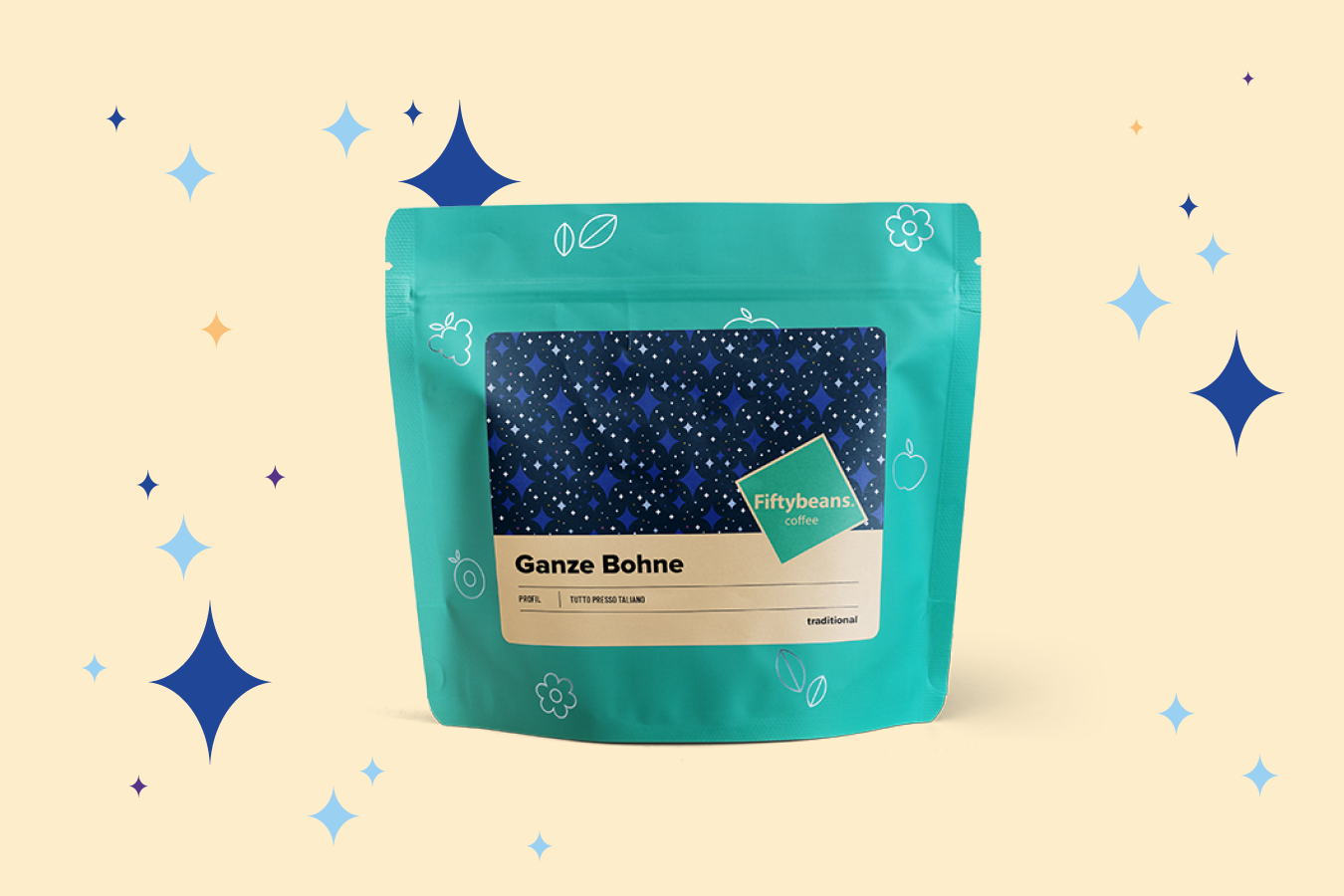 Fiftybeans tip: Our top specialty coffee for crafting an ultra-rich, velvety espresso with tons of crema.
When choosing a machine, look for quality engineering that addresses these key factors. But remember: even the most expensive setup and carefully roasted beans won't deliver café-quality results if you overlook your water.
ABOUT THE AUTHOR
This article was written for you by barista and roaster Roman Nejedlý, 2024 Barista of the Year, passionate coffee geek and innovator. If we mentioned something you don't agree with or want to ask about, drop us a line! Otherwise, head over to our shop and pick up some luxury coffee beans for espresso or filter. We've got the classics, juicy lots and absolute fruit bombs waiting for you.