
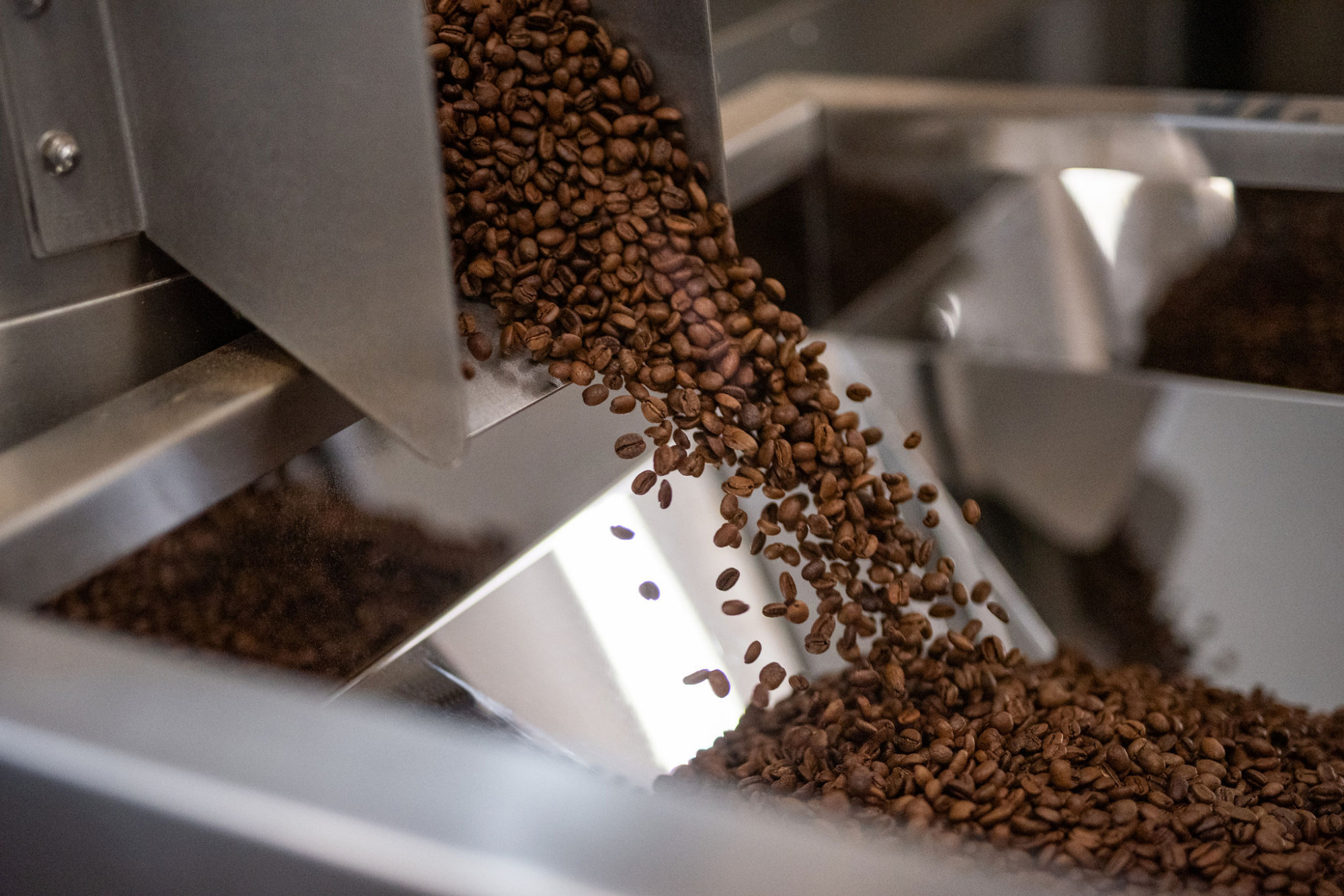
So how does coffee actually get roasted — and what does it take to do it right? The roasting itself takes around 10 minutes. But that's just one step in a much longer process. Getting the most out of every bean takes a lot more than switching on the roaster and waiting.
1. Precise weighing
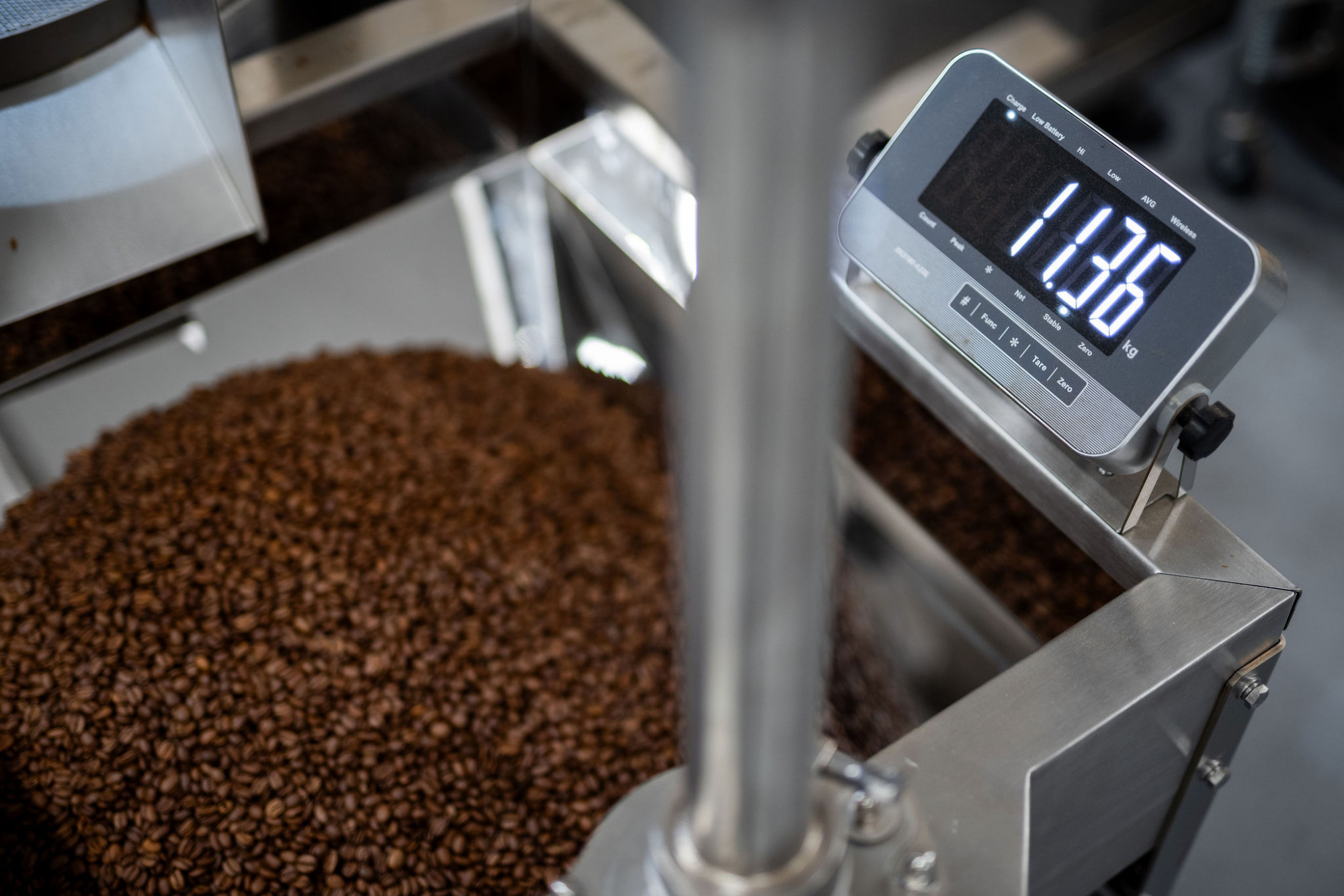
Every roast starts with weighing. Each coffee variety behaves a little differently, so the batch needs to be measured out accurately. At Fiftybeans, our Brno roastery runs two batch sizes: 13 kg and 25 kg. The weighed beans are loaded into a hopper — a holding chamber where the green coffee waits while the roaster heats up. The beans are only released once the drum reaches the optimal temperature.
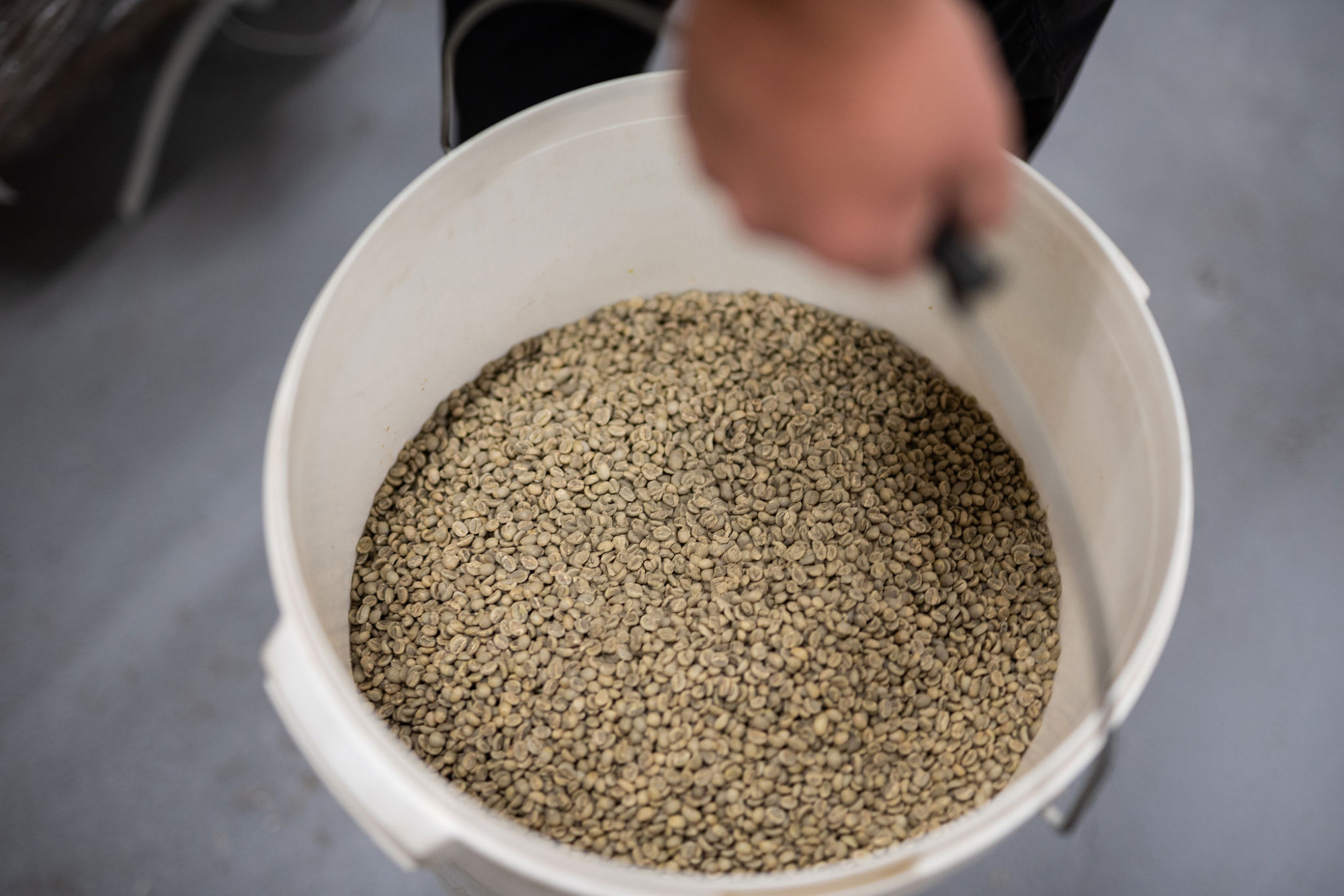
2. Roasting to unlock aroma
Roast time depends on batch size, but it's shorter than most people expect. Smaller batches take around 6 minutes; larger ones about 10. In that window, everything happens. First, residual moisture evaporates from the beans. As they start to brown, aromatic compounds begin to form. Then comes the First Crack — the moment each bean pops open, much like popcorn.
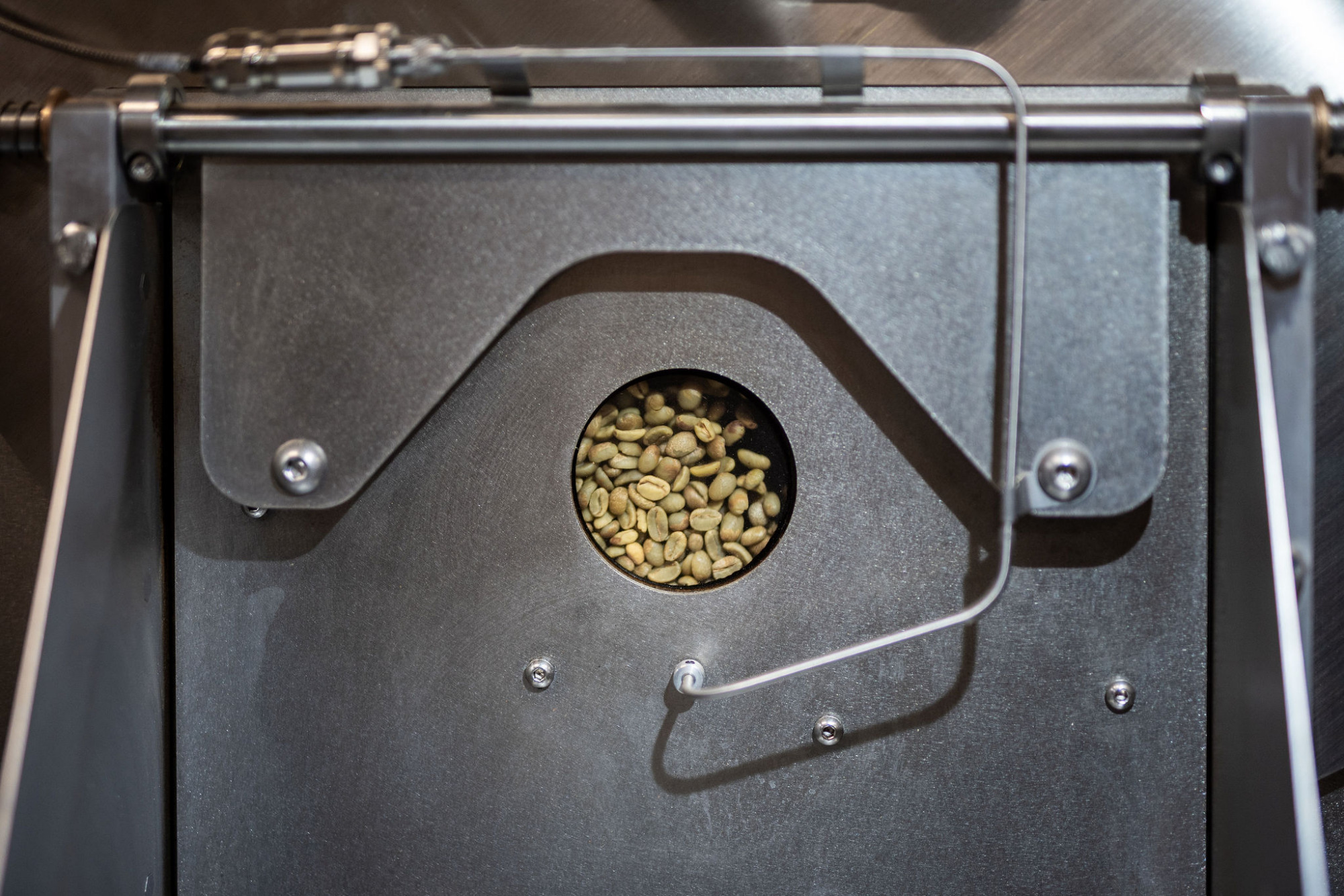
Roasting temperatures reach 600 °C. That's exactly why we're confident recommending you brew all our coffees with water at 100 °C. The idea that boiling water "burns" coffee is a myth — these beans have already survived a far more intense heat.
3. Cooling stops the process
Once roasting is done, the beans are dropped into a cooling tray, where they come down to room temperature in about 5 minutes. This step matters more than it might seem. If the beans stayed hot, they'd continue cooking from the inside — and that would ruin the flavor.
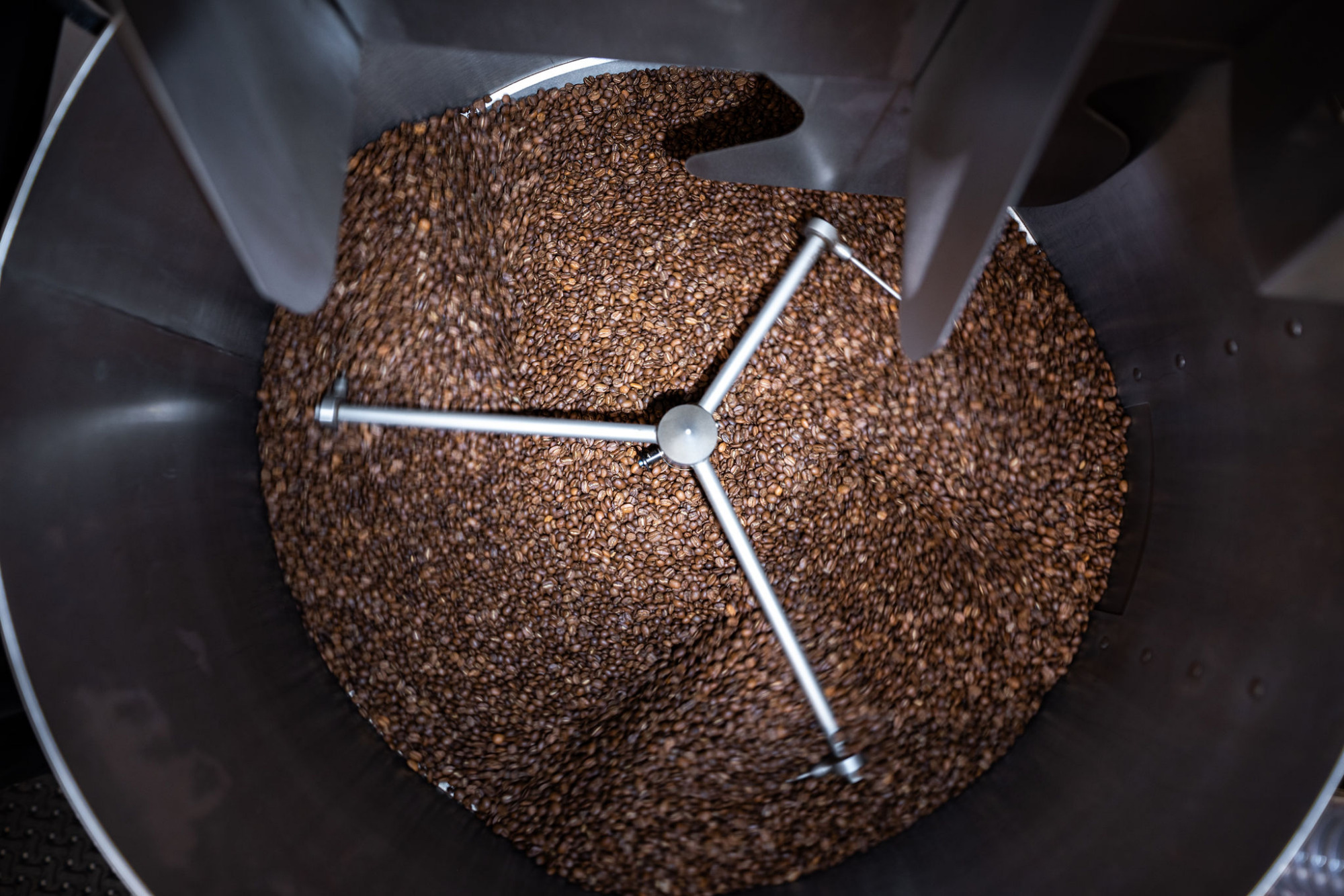
4. Weight loss reveals the roast level
The beans are weighed again to measure how much mass was lost during roasting. This figure is a key indicator of roast depth. Less weight loss means a lighter roast — expect more fruity, bright notes. More weight loss signals a darker roast, with stronger bitterness and chocolate undertones.
Stock up on specialty coffee in the Fiftybeans e-shop.
5. Sorting out defects
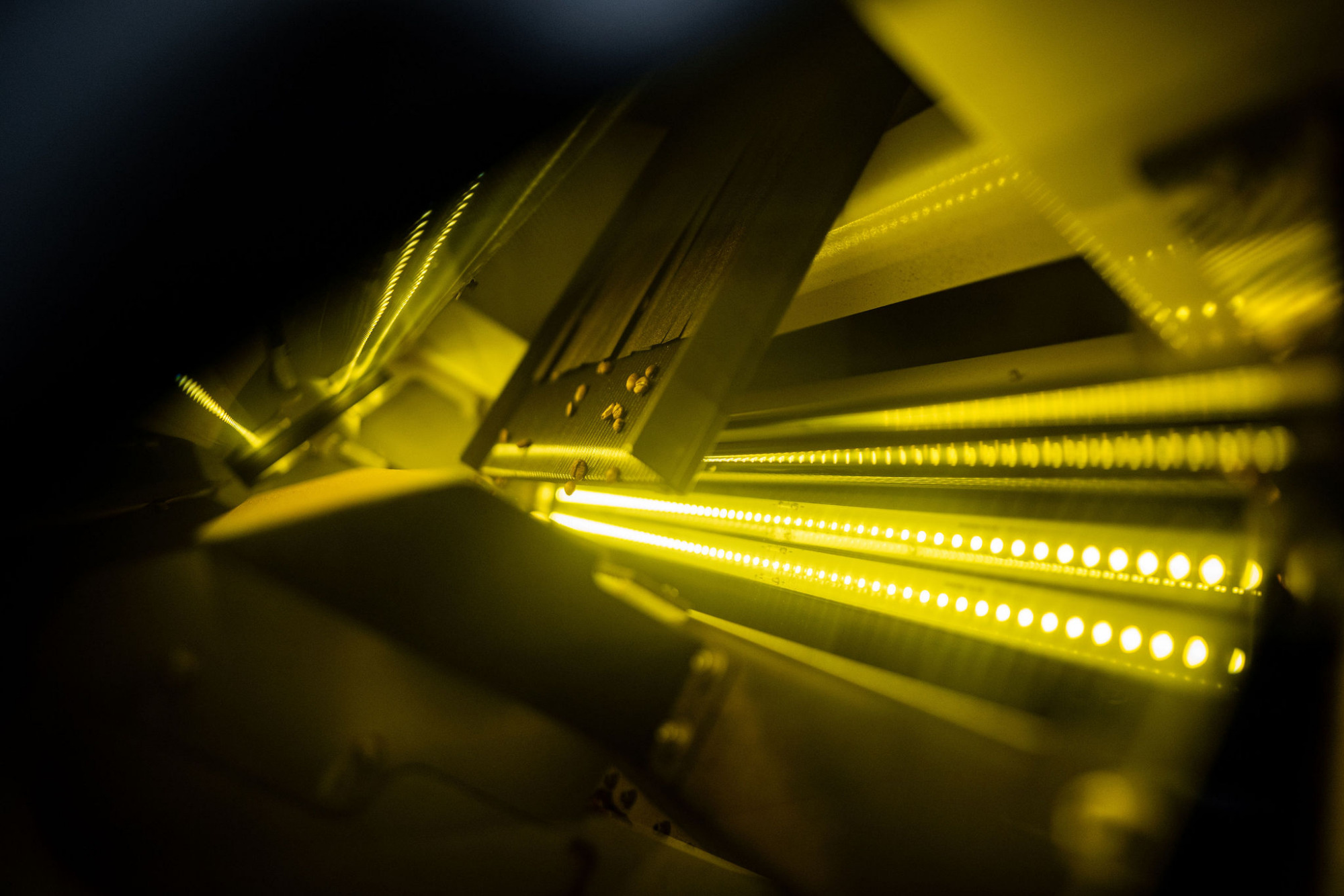
Next, the coffee passes through an optical sorter, whose main job is removing quakers.
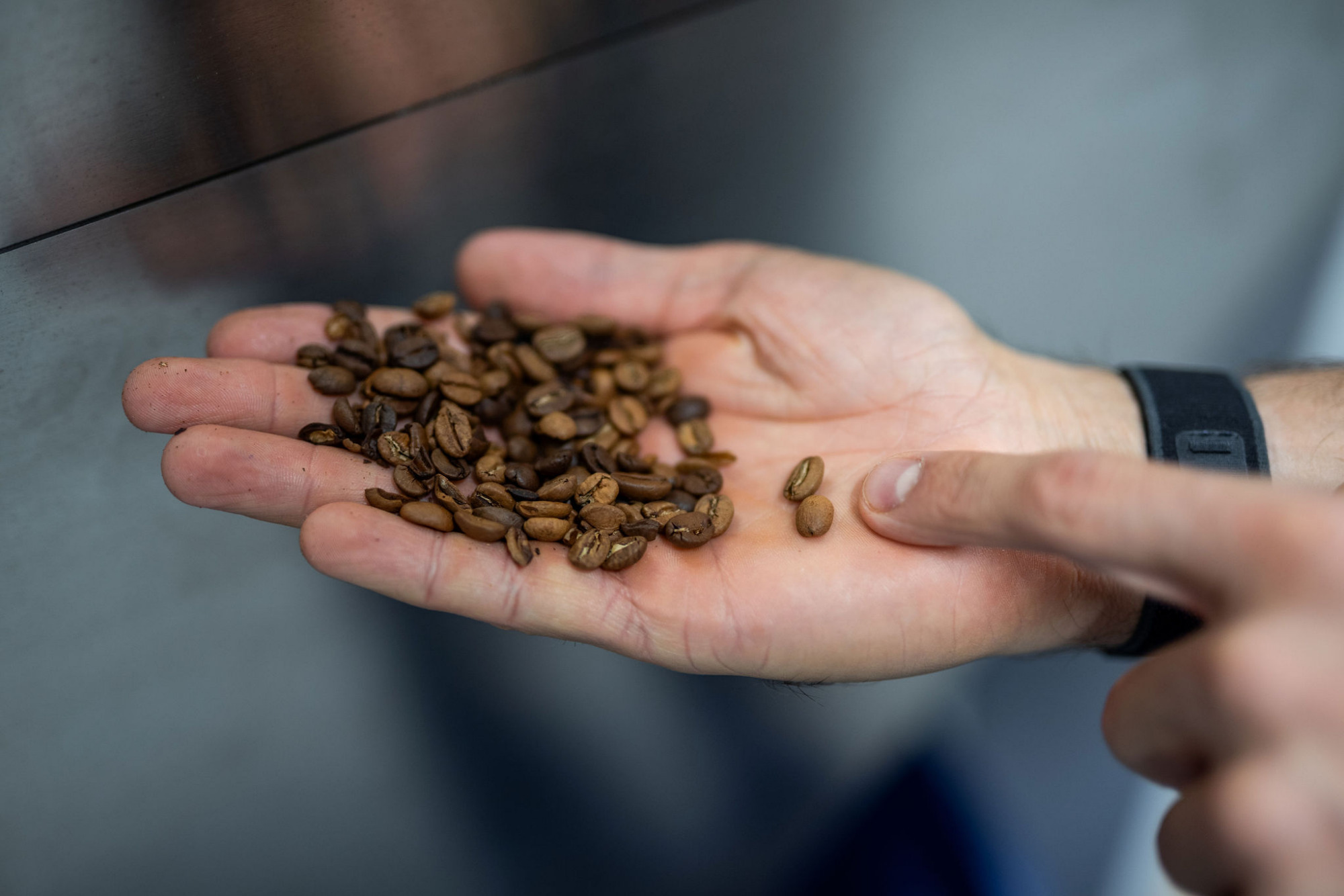
What are quakers? Think of them as troublemakers. They're pale, underdeveloped beans that come from unripe coffee cherries — and they're only identifiable after roasting, which means there's no catching them earlier. Left in the batch, they'd throw off the flavor of the entire cup.
6. Color measurement
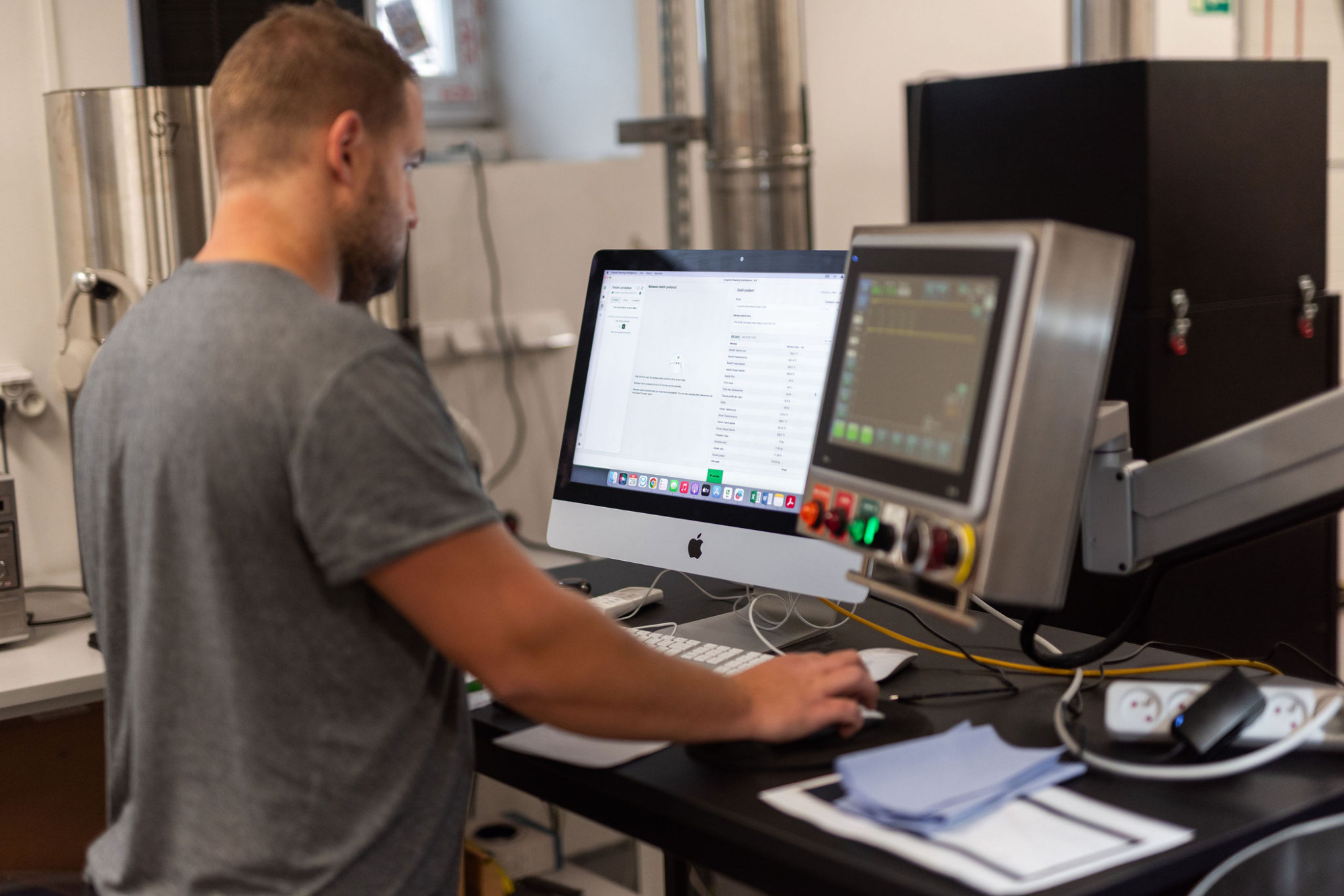
A laser color meter measures both the whole bean and a ground sample. This gives us a precise, repeatable read on how the coffee will actually taste — far more reliable than going by eye alone.

7. Cupping as a final check
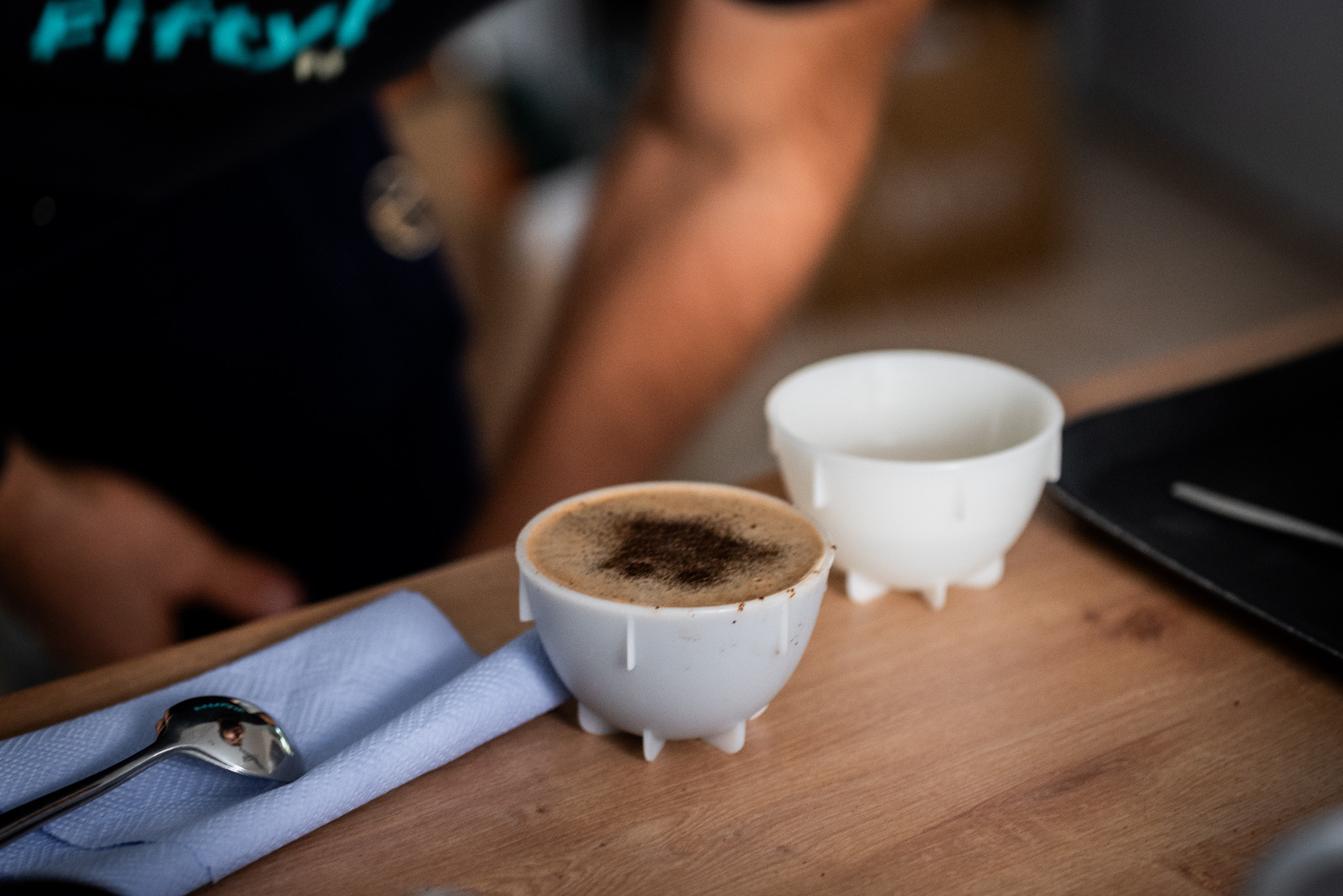
The last step is a cupping session. The coffee is ground, steeped in hot water, and left to brew. The crust that forms on top is broken and skimmed off, and then the tasting begins — evaluating aroma, flavor, body, and balance.
We oversee every stage of the roasting process to make sure the specialty coffee reaching you is the best around. Order your Fiftybeans coffee today.